

Is Glass Skin Being Replaced by Velvet Skin?

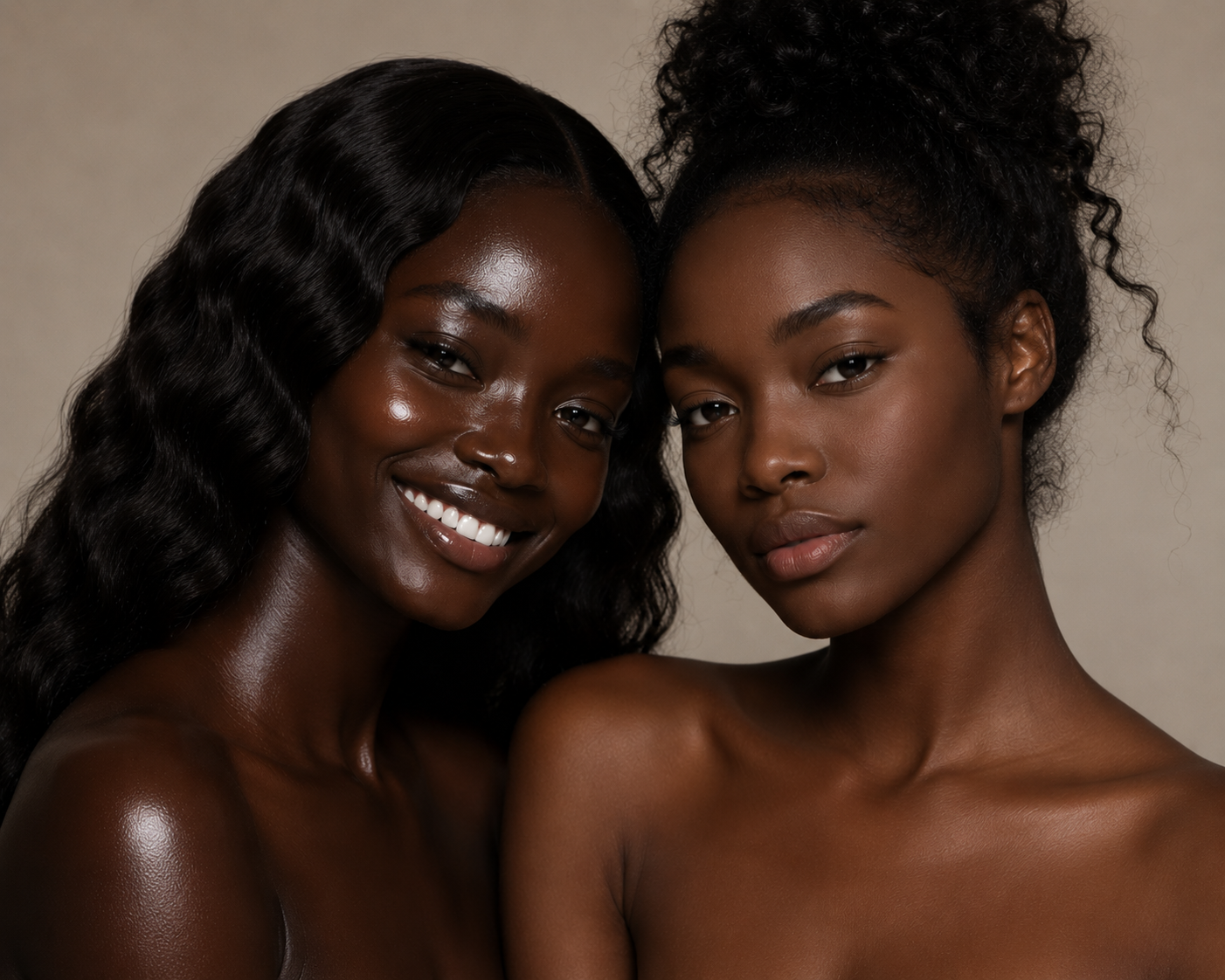
There was a time when skin was not just skin; it was a statement of shine, glow, and perfection. Glass skin sat at the center of that moment, turning faces into luminous surfaces that reflected light like polished stone. Every routine aimed for that almost wet-looking glow, as if hydration alone could define beauty. Now, something quieter is moving through the beauty space. The glow still exists, but it no longer demands intensity. Skin looks softer, more diffused, and less reflective. The question is beginning to surface in conversations, tutorials, and product launches: Is glass skin being replaced by velvet skin?
The answer is not as simple as a replacement. Instead, beauty now stretches between two finishes. One still celebrates high shine and glass-like clarity, while the other leans into softness, blur, and a more wearable kind of radiance. The shift feels less like an ending and more like a change in direction.
What Exactly Is Glass Skin?

Glass skin describes a complexion that looks ultra-smooth, deeply hydrated, and highly reflective. It creates a finish so luminous that light bounces off the skin almost like glass. The trend emerged from K-beauty skincare culture, where multi-step routines focused heavily on hydration, layering, and achieving a poreless appearance. Over time, social media amplified the look until it became a global beauty ideal.
Glass skin carries a very specific visual identity. Skin appears glossy, almost wet, with a focus on clarity and brightness. The goal is to achieve perfection through intensive skincare preparation and glow-enhancing products. For years, this finish defined modern beauty standards. It represented discipline, skincare dedication, and a polished aesthetic that looked flawless both on camera and in natural light.
What Exactly Is Velvet Skin?

Velvet skin introduces a different kind of finish. Instead of intense shine, it creates a soft, blurred surface that looks smooth, refined, and gently diffused. The texture resembles velvet fabric—matte in appearance yet rich in depth. It does not eliminate glow. Instead, it controls it, allowing skin to look healthy without appearing overly reflective.
Unlike traditional matte skin, velvet skin avoids flatness. Skin still feels alive. Natural variation remains visible, but everything appears softened and balanced. This finish fits more easily into everyday life. It responds well to different lighting conditions, holds up in heat, and is less demanding than high-gloss skincare routines. That practicality makes it increasingly appealing in modern beauty culture.
Why Beauty Is Moving Away From Extreme Shine
Beauty trends rarely stay still, and glass skin has reached a point where its intensity no longer suits every situation. High-shine skin often requires careful maintenance. Lighting conditions can dramatically alter its appearance, and in some environments, the finish can feel too reflective for everyday wear. As routines become faster and more flexible, many people are seeking finishes that remain consistent throughout the day.
Velvet skin fills this gap with ease. It reduces excess shine while keeping skin polished and refined. The result is more adaptable to real life, not just curated photos or controlled lighting. This shift does not reject glow. It simply redefines how glow functions in everyday settings.
The Rise of Skin Realism

Modern beauty culture has developed a stronger appreciation for real skin. Texture is no longer something to erase. Instead, it has become part of the face’s visual identity. Social media has played a major role in this change. Close-up videos and unfiltered content reveal natural variation in a way earlier beauty standards often avoided. Over time, audiences became more comfortable with what they saw.
Velvet skin fits directly into this mindset. It smooths without concealing everything. It creates balance without demanding perfection. That middle ground is now more relatable than extreme polish.
Makeup Formulas are Evolving
Beauty brands have adjusted quickly to these changing preferences. High-gloss primers and ultra-dewy bases no longer dominate in the way they once did. New formulas focus on soft-focus effects. Skin tints, blurring creams, and lightweight foundations now create finishes that sit between matte and glow. The goal is not extreme shine or full coverage, but controlled refinement.
Even skincare-infused makeup reflects this shift. Products now hydrate while subtly controlling oil, leaving skin looking smooth without appearing overly shiny. This evolution supports velvet skin as a modern alternative that still celebrates natural radiance.
Glass Skin vs. Velvet Skin: Key Differences

Glass skin and velvet skin occupy different ends of the same conversation. Glass skin focuses on intense reflection. It creates a glossy, almost mirror-like surface that emphasizes hydration and shine. The look requires careful skincare layering and tends to perform best in controlled lighting.
Velvet skin moves in the opposite direction. It softens reflection, blurs texture, and creates a smooth finish that feels more grounded in daily life. It requires less maintenance and adapts more easily to different environments.
Glass skin often works best for editorial beauty looks and highly curated aesthetics. Velvet skin fits seamlessly into everyday routines, where comfort and practicality matter just as much as appearance. Both finishes rely on healthy skin. The difference lies in how much light they allow to bounce back.
Shop editor’s finds
Is Glass Skin Really Being Replaced?
Glass skin has not disappeared. It still appears throughout skincare culture, editorial shoots, and beauty campaigns that celebrate high-glow aesthetics. What has changed is its role. Instead of dominating everyday beauty, it now shares space with softer finishes. Velvet skin has found a place in daily routines, while glass skin is increasingly reserved for more styled or intentional moments.
Both serve different purposes. One leans into radiance and intensity. The other prioritizes balance and wearability. Rather than a replacement, the shift is more like a separation of roles within modern beauty routines.
What This Shift Says About Modern Beauty

This transition reveals a broader change in how people view beauty. Makeup no longer aims for a single ideal finish. Instead, it adapts to mood, environment, and lifestyle. People want skin that looks real yet refined. They want control without rigidity. They want glow without excessive shine.
Velvet skin reflects that desire for balance. Glass skin reflects an ongoing appreciation for radiance. Together, they illustrate how beauty now moves fluidly between extremes rather than remaining fixed in one aesthetic.
The New Language of Skin Finishes
Glass skin and velvet skin now represent two distinct expressions of beauty rather than competing standards. One celebrates luminous perfection, while the other embraces soft realism. The shift does not erase glass skin; it simply expands the definition of what beautiful skin can look like. Velvet skin adds another dimension to the conversation, offering a finish that feels more adaptable to everyday life.
In the end, beauty does not replace itself. It evolves. And right now, it stretches comfortably between glow and softness, allowing both finishes to coexist without requiring one to win.
Featured image: Style Rave Studio/AI-generated Visual
 Food & Beverage Carriers
 Lawn & garden decor