











Psychology of Style: What Your Clothes Communicate

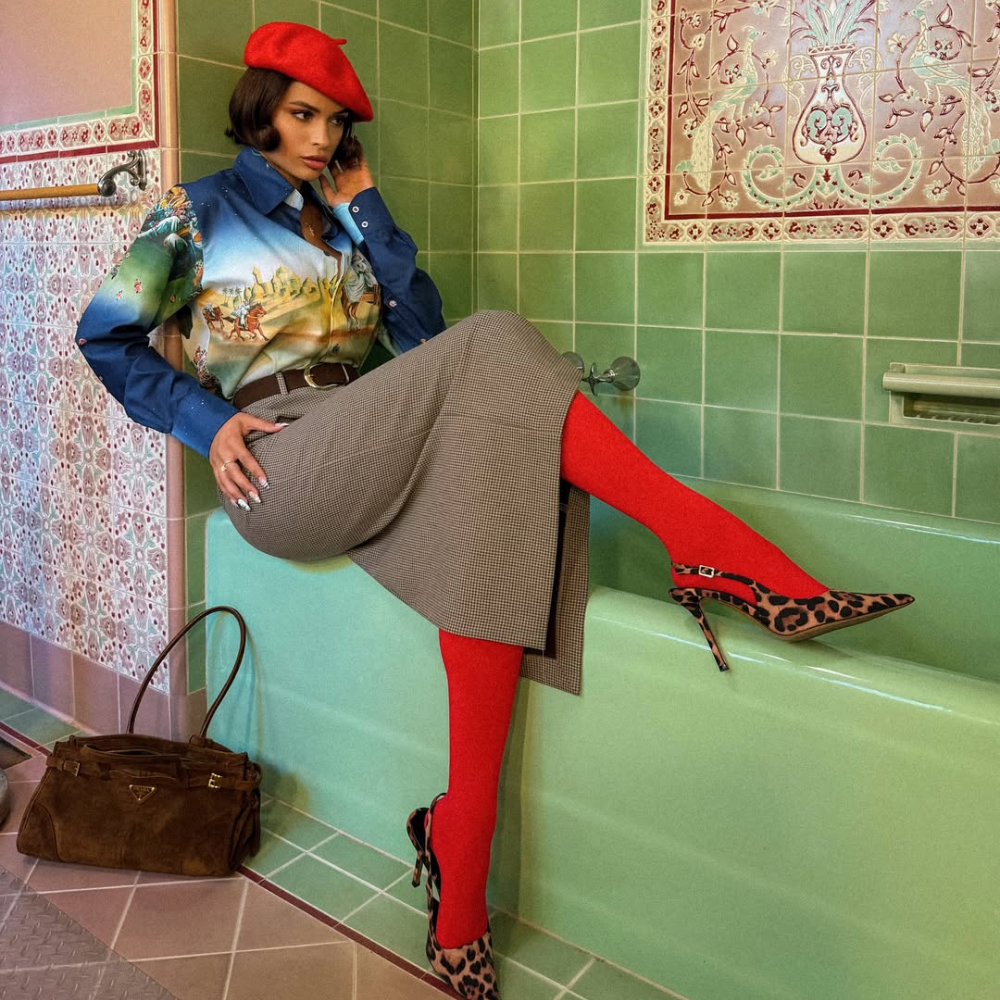
You have already communicated something before you opened your mouth. The moment you entered the room, people began forming judgments about your status, your competence, your personality, and even your values. Research consistently shows that people form first impressions within seconds, and some studies suggest the process begins in milliseconds. In those moments, your clothing is doing the talking. Not your résumé, not your title, not your handshake. Your outfit.
This is not a vanity argument. It is a psychological one. Clean, well-fitted clothes signal discipline. Intentional outfits signal self-awareness. Good grooming signals self-respect. Sloppy clothing signals chaos or apathy. Even if you are brilliant, kind, and hardworking, people will not assume that if your appearance contradicts it.
Understanding the psychology of style and clothing communication is not about vanity or wealth. It is about recognizing that dress is a fundamental and largely unconscious form of nonverbal communication, one that shapes how others receive you long before you have the chance to demonstrate your actual abilities.
What the Research Actually Says

Clothing, hairstyle, makeup, and accessories all influence first impressions. Psychologists propose that people infer four types of information from dress: social identities, mental states, status, and aesthetic tastes. Each of these operates below the level of conscious thought for the person forming the impression. They are not deliberately analyzing your outfit; they are having an automatic response to the signals it sends.
People tend to associate certain clothing styles with specific professions. This is a classic example of what psychologists call the halo effect: we make assumptions about someone’s abilities or expertise based on their appearance. This phenomenon also ties into Robert Cialdini’s principle of authority; people are more likely to trust someone who looks the part of an expert. A person in a formal suit often commands more respect and is perceived as more authoritative, even when they possess no more actual knowledge than someone in casual attire.
Research suggests that wearing formal clothes changes not only how others perceive you but also how you think. People dressed in formal attire have been shown to describe actions more abstractly, demonstrate broader thinking, and engage in more rational and competent behavior. This effect, known as enclothed cognition, means that the clothes you wear influence not just how others see you but how you see yourself and how you perform. The feedback loop runs in both directions.
The concept of enclothed cognition was formalized by Adam Galinsky and Hajo Adam in a 2012 study published in the Journal of Experimental Social Psychology. Their research found that participants who wore a white lab coat performed significantly better on attention-demanding tasks than those who did not, but only when they were told it was a doctor’s coat. When told it was a painter’s coat, no performance benefit was observed. The coat was identical.
The Celebrity Dimension: Style as Personal Brand

No group demonstrates the psychology of style and clothing communication more visibly than celebrities, and the lessons translate directly to everyday professional life. What began as a largely behind-the-scenes function—dressing actors for red carpets and press tours—has matured into a sophisticated, strategy-driven discipline that intersects with branding, communications, psychology, and cultural positioning.
Consider Zendaya. Every public appearance is a carefully considered communication exercise. Her stylist, Law Roach, has described their work together as the deliberate construction of a visual identity, one that communicates something specific and intentional about who Zendaya is and what she represents in the cultural moment.
The result is that Zendaya’s style is not merely admired. It is trusted. Audiences form associations between her visual identity and the qualities it communicates: intelligence, confidence, cultural awareness, and a willingness to take risks.
Gen Z Women Are Inspired By Celebrities

According to a 2023 Statista report, nearly 60% of Gen Z women admit to buying clothes directly inspired by celebrity looks. The reason celebrity-inspired fashion remains more influential than runway-driven cycles lies in cultural reach. People do not simply buy the clothes; they buy the associations those clothes carry. The aspiration is not the garment itself. It is the identity the garment signals. This is the psychology of style operating at scale, and it is the same mechanism at work in an office, on a first date, or during a job interview.
Charlotte Casiraghi has become one of the most compelling ambassadors of the office siren trend. Her wardrobe follows a simple, back-to-basics formula: a structured blazer, a classic button-down, fluid pleated trousers, and polished, sensible footwear. Charlotte rarely wears earrings, and she has made that specific brand of minimalism a core pillar of her personal style. The signal she broadcasts is authority, discipline, and understated confidence—qualities reinforced by her public image. The clothes and the identity amplify one another.
Color Psychology: The Hidden Language of Your Wardrobe

Color is among the most powerful, and least consciously processed, elements of dress. Different colors trigger distinct emotional and psychological responses, and understanding those responses gives you a meaningful tool for managing how you are perceived.
Navy blue is arguably the most trusted color in professional contexts. Research on color perception suggests that navy communicates competence, reliability, and calm authority without the aggression that black can sometimes project. It is no coincidence that it dominates the wardrobes of world leaders, executives, and professionals whose primary task is to be believed.
Black communicates authority and sophistication but can also read as closed-off or intimidating, depending on context and styling. Grey signals neutrality and professionalism. White suggests clarity and precision. Earth tones—camel, stone, and chocolate—have gained significant cultural traction through the quiet luxury movement because they communicate quality and restraint rather than novelty or overt status signaling.
Where quiet luxury was once defined by what it withheld—the absent logos, restrained palette, and rejection of obvious status symbols—the 2026 evolution of the aesthetic is defined by what it actively communicates: authority, restraint, and confidence that does not seek validation. The shift from withholding to communicating offers a useful framework for thinking about color and restraint in a wardrobe. The goal is not the absence of signal. The goal is the right signal, delivered with precision.
Avoid the common mistake of equating expense with impact. This is not about expensive brands. It is about signals. A well-chosen, well-maintained outfit in the right colors for the context will consistently outperform an expensive outfit worn without consideration for what it communicates.
Fit, Condition, and the Details People Actually Notice

If color is the headline, fit is the infrastructure. An expensive garment with a poor fit communicates disorder. An inexpensive garment with an excellent fit communicates discipline and self-awareness. Fit is arguably the single most accessible and highest-impact variable in how clothing is perceived, and it remains one of the areas where people most consistently underinvest.
Wrinkled shirts. Dirty shoes. Faded collars. Lint-covered sweaters. People subconsciously connect cleanliness with competence. That is why doctors wear clean coats. That is why executives appear polished. It is not about perfection. It is about control. If you cannot manage your clothes, people often assume you cannot manage your life. This judgment is neither conscious nor fair, but it is automatic, the same kind of rapid assessment that occurs during first impressions.
Shoes occupy a disproportionate share of attention relative to their position in an outfit. Worn-out soles, dirty sneakers, or mismatched footwear can immediately lower perceived status and undermine an otherwise composed appearance. Shoes are often the last thing some think about and among the first things other people notice. That gap is worth closing.
The details that communicate most powerfully are often the subtlest: a well-maintained watch, clean trimmed nails, and clothes that are pressed and free of visible wear. None of these require significant expense. They require attention. Attention to detail in dress signals attention to detail in life—and that inference, made automatically by everyone you encounter, can have social and professional consequences that compound over time.
Dressing for Context: The Calibration Problem

The psychology of style and clothing communication is not a fixed formula. What communicates competence and authority in one environment may communicate rigidity or disconnection in another. Overdressing is a form of miscommunication just as underdressing is. Both fail to accurately read the room, and both carry costs.
Designers are increasingly redefining power dressing, moving it away from a narrow association with traditionally masculine staples such as sharp suiting and ties. Instead, power is being rooted in what feels personal, authentic, and contextually appropriate. The evolution of power dressing in 2026 is toward something more calibrated: clothes that communicate the right qualities for the specific room rather than a universal display of authority that may land awkwardly in informal settings. The framework for calibration is simple—understand the baseline of the environment, then dress one level above it.
In a creative agency where the dress code is casual, well-chosen dark jeans and a quality shirt communicate effort and intention without disconnecting you from the culture. In a financial institution where the baseline is business formal, adding a considered detail—a quality watch or a distinctive but restrained tie—communicates personal style within a professional framework. The goal is never to be the most dressed or least dressed person in the room. It is to communicate that you thought about it.
Style as Ongoing Communication
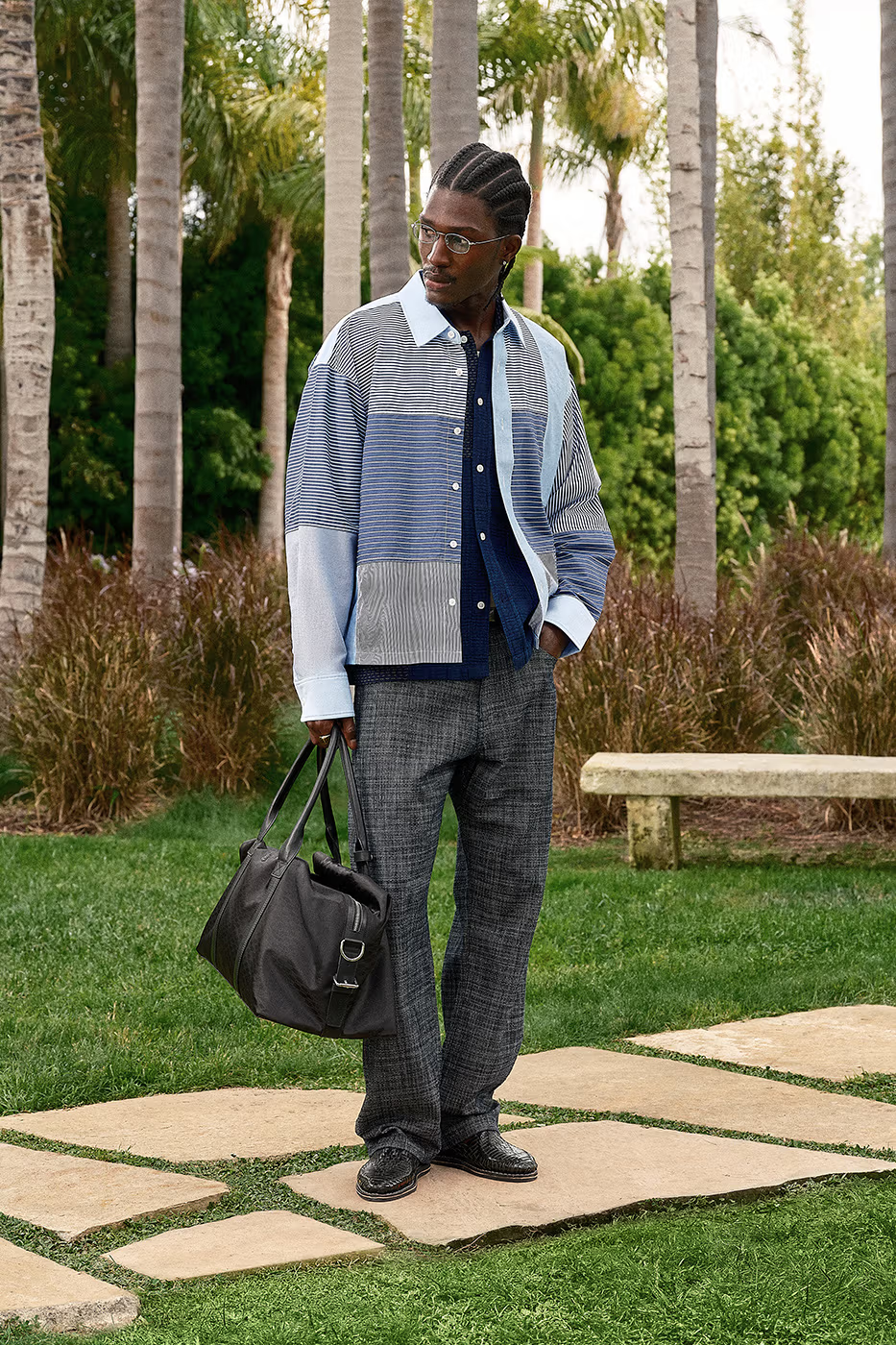
The psychology of style is not a one-time decision made in front of the wardrobe each morning. It is an ongoing, dynamic communication process that responds to context, relationships, and the image you are actively building over time.
Before we have the opportunity to demonstrate our skills, people form impressions within seconds. Clothing becomes a psychological tool, helping us step into professional and social roles with greater clarity and confidence. First impressions often determine whether conversations continue, whether trust develops quickly, and whether others are ready to listen.
The most valuable insight from the research on clothing and perception is not that you need to dress expensively or follow trends. It is that intentional dressing, thinking carefully about what you wear and what it communicates, consistently outperforms unintentional dressing, regardless of budget. The person who has thoughtfully considered their appearance communicates, before they say a word, that they think carefully about other things too. That inference shapes how people listen to them, how they trust them, and how they remember them.
In a world where first impressions form in milliseconds and judgments often solidify before you have finished your opening sentence, that is not a small advantage. It is a structural one.
Featured image: @salmaataury/Instagram
Everything You Thought You Knew About Luxury Fashion Is Being Rewritten